


Costa Rica
Ultimate Wildlife 14-Day Adventure
>> 2026 <<
$8,198 Group Departures
4 person minimum
$9,898 Go On Your Own*
2 person minimum
*All departures are limited to 12 guests for maximum wildlife viewing. The “Go On Your Own” rate will only apply if fewer than 4 sign up.
See Departures Tab below for special holiday pricing highlighted in blue.

A Little More Info
SINGLE SUPPLEMENT
Single travelers staying in a room by themselves will be charged this additional single supplement fee, as all of our regular prices are otherwise based on double occupancy.
SINGLE SHARE OPTIONS (if available)
If you are traveling alone and wish to share a room, we will make every effort to find you a roommate of the same gender, in which case you will not have to pay the single supplement fee. The single supplement will be charged until we are able to confirm a roommate for you. If we are able to match you with a roommate, the single supplement will be refunded. In the event that we cannot find a share for you, you will be required to pay the single supplement fee.
New: Click the Singles Find a Share' icon below or check our "Community" page to connect with other single travelers looking to share.

 Questions? Chat with a Regional Specialist
 News and Specials
 Email Trip to a Friend
 Singles: Find a Share

Costa Rica
Ultimate Wildlife 14-Day Adventure
Destinations
- Cahuita
- Sarapiqui
- Arenal
- Monteverde
- Carara
- Manuel Antonio
- Puerto Jimenez
- Corcovado
- Dominical
- San Jose
Highlights
- Bird & Wildlife Viewing in over 8 National Parks and Wildlife Preserves
- Cloudforest Canopy Tour
- Whitewater Rafting
- Flatwater Wildlife Float Trips
- Sloth Wildlife Sanctuary
- Day-Hiking, Hot Springs
- Beaches
- Volcano
- Night Hikes for Nocturnal Animals
- Sea-Kayaking with Dolphins
- Snorkeling at Night in the Bioluminescence (conditions permitting)
- Expert Naturalist Guides
- Breathtaking Rainforest Lodges
Itinerary at a Glance
- Arrive into San Jose (SJO)
- DAY 1 Cahuita - Nocturnal hike
- DAY 2 Cahuita National Park, Sloth Rescue Center
- DAY 3 Sarapiqui - La Selva Biological Preserve
- DAY 4 Sarapiqui River Rafting
- DAY 5 Arenal - Volcano, Hot Springs
- DAY 6 Monteverde Cloudforest
- DAY 7 Monteverde Canopy Tour, Ecological Farm
- DAY 8 Carara, Manuel Antonio
- DAY 9 Manuel Antonio National Park
- DAY 10 Puerto Jimenez - Sunset Sea-Kayak, Snorkel in Bioluminescence (conditions permitting)
- DAY 11 Corcovado
- DAY 12 Corcovado National Park
- DAY 13 Corcovado, Dominical
- DAY 14 San Jose
More Value! Compare our Itineraries!
Compare Wild Planet Adventures award-winning Costa Rica Ultimate Wildlife to any other adventure travel company offering trips in Costa Rica. We include more destinations. More activities. More park admissions. All meals. We create special activities so you see more wildlife, for longer periods, at closer range. Our high-end biologist and naturalist guides accompany you throughout the entire tour and run our exclusive activities. There is no fine print indicating "free days" requiring you to pay more money for activities. We do not have lodges run our tours. (Lodge-run tours are more commercial because they visit the same places every day, often with large groups. With a captive audience they have no need to hire high-end guides with the depth of wildlife expertise offered by Wild Planet's high-end biologist and naturalist guides.)
Ultimate Wildlife 14-Day Adventure
Our most value-packed itinerary emphasizing wildlife and bird-watching "off the beaten path." This is our signature wildlife adventure, with many of Wild Planet's special touches, including:
- More value than any other professional wildlife tour, including over 8 paid admissions to national parks, wildlife refuges, private wildlife reserves, and adventure activities such as canopy tours and hot springs.
- Expert Local Naturalist Guides Even biologists in some places.
- Breathtaking Rainforest Lodges Each specially chosen for the unique access they offer to our unique wildlife destinations, as well as their distinct level of comfort. Many have been featured in top magazines and guidebooks for excelling in quality and comfort.
- Specifically designed to optimize the chances of seeing more wildlife by visiting a variety of different eco-systems, with no commercial "filler" activities.
Detailed Itinerary
DAYS 1-3 Cahuita National Park, Toucan Rescue Ranch
Highlights: Jungle Beach, Canoeing on Virgin Wetlands, Rainforest Hiking, Sloth Sanctuary, Bird and Wildlife Watching.
Wildlife: sloths, white-faced monkeys, anteaters, otters, caiman, morpho butterflies, poison-arrow frogs, and over 300 species of exotic tropical birds.
Start your adventure with a visit to Toucan Rescue Ranch wildlife rescue center, a beautiful sanctuary for rescued sloths and other wildlife. On your tour you may have an opportunity to witness the feeding of the baby sloths! This sloth rescue experience is far superior to the Sloth Sanctuary on the Caribbean coast, which we included in our itinerary for many years but is now servicing a huge cruise ship clientele and no longer offers the opportunity for a more personal and intimate experience with the sloths. We learned about the Toucan Rescue’s sloth program through the sloth veterinarian at the Sloth Sanctuary, who is also the veterinarian for the sloths at Toucan Rescue. We’ve been thrilled to discover that Toucan Rescue offers exactly the same quality of intimate sloth program that the Sloth Sanctuary used to offer in the past. You will love their sloths!
Upon arrival we’ll have some free time to relax from our journey and explore the grounds of our lodge. After dinner, we may embark on a short night hike looking for kinkajou, sleeping monkeys and sloths, caiman and other nocturnal animals such as red-eyed tree frogs or poison-arrow frogs. Then canoe in a private wildlife refuge through virgin wetlands where rainforest canals (similar to Tortuguero, but without the crowds!) are habitat for exotic colorful birds such as the purple gallinule, boat-billed heron and northern jacana.
In the afternoon, we'll hike in Cahuita National Park, a crowd-free rainforest beach teeming with monkeys, sloths, toucans and more. We'll usually see 5-12 troops of monkeys of 2 species (with 3-30 individuals in each troop) as well as 5-20 sloths of 2 species, and a wide variety of other wildlife common to the Caribbean lowlands. This easy-paced hike ends with relaxing on the beach before heading into Cahuita for a fresh-caught seafood dinner at one of the most acclaimed restaurants on the Caribbean coast.
DAYS 3-4 La Selva Biological Reserve, Sarapiqui River
Highlights: Whitewater rafting, flat-water wildlife expedition on a rainforest river, hiking in a biological station with biologists studying the rainforest.
Wildlife: Extreme biodiversity including 400 species of birds, rare rainforest frogs, river otter, agouti, coati, monkeys, anteaters, and more.
The Sarapiqui is one of the highlights of every paddler's "dream trip." Passing directly through La Selva Biological Reserve, the river is surrounded by old-growth rainforest and exotic birds. The next day we'll run the Puerto Viejo River, a remote river that rarely sees any humans besides us!
Wild Planet Adventures Exclusive
Choose from rafts or inflatable kayaks for both whitewater and flat-water segments. More boats spread out along a wider stretch the river exposes us to more wildlife habitat, which means we see more wildlife! And in the flat-water sections we can stop, get out of our rafts and observe wildlife for a more intimate experience of the rainforest and wildlife than any other conventional tour.
DAY 5 Arenal Volcano, Hot Springs, Wildlife Interaction
In the morning we visit Mirador el Silencio, a Wildlife Reserve located 12 km from the center of La Fortuna and only 5 km from the Arenal Volcano National Park. The Reserve comprises 225 hectares of protected land that cover more than 100 hectares of primary forest. There are some particularly interesting animals that can sometimes be seen here, due to the uniqueness of the eco-system. Sightings have included oncilla, grison, peccary, coati, armadillo, paca, 3 species of monkeys and 2 species of sloth, as well as many birds, amphibians and reptiles.
Later, we'll enjoy soaking in a spectacular hot springs at the base of the Arenal Volcano, with spectacular views of the volcano, right from our lodge!
DAYS 6-8 Monteverde Cloud Forest
Highlights: Cloud forest, Canopy Tour, Naturalist-guided Hiking and Birding.
Wildlife: Resplendent quetzals, trogons, rare hummingbirds and hundreds of birds unique to the cloud forest. Howler monkeys and other small mammals.
The bio-diversity and exuberance of life in the cloudforest is a result of clouds drifting in and dripping constant moisture on the dense canopy tops. A naturalist guide points out a stunning array of plant and birdlife, perhaps even the endangered resplendent quetzal. Later, a series of suspended bridges and platforms offers an unforgettable glimpse of life high amongst the canopy and the transcendent sensation of walking amongst the clouds.
EVE 8 Carara National Park
Highlights: Evening scarlet macaw migration, rare wildlife, giant exotic hardwoods.
Wildlife: Crocodiles, scarlet macaws, anteater, ocelot, peccaries, white-faced and spider monkeys, poison-arrow frog.
An old growth forest of striking complexity and density, Carara's giant trees include 10 of the rarest hardwoods in Costa Rica. The unique combination of ecosystems is habitat for many rare and endangered animals, including one of the largest populations of scarlet macaws in the country, which migrate twice daily from the inland rainforest to the coastal mangrove swamps.
DAYS 9-10 Manuel Antonio National Park
Highlights: Spectacular world-class beaches.
Wildlife: White-faced and squirrel monkeys right on the beach!
The most popular national park in Costa Rica, Manuel Antonio offers dense rainforests spilling down onto brilliant white sand beaches populated with friendly white-faced and squirrel monkeys.
OPTION: In recent years, Manuel Antonio has gained popularity, and on some departures, depending on how crowded the park is and at your guide’s discretion, we may instead utilize a “secret hidden” beach called Playa Linda de Matapalo and Baru Wildlife Refuge. This is about 20-30 minutes away from the park, and offers a similar combination of Costa Rica’s famous Central Pacific Coast beaches and wildlife away from the crowds.
DAYS 11-14 Osa Peninsula / Corcovado National Park
Highlights: This is THE place you dream of when you think Costa Rica! The most remote, most bio diverse, most wildlife (including many rare and indigenous species) and NO mosquitoes! Osa also holds the largest remaining stand of virgin rainforest in Central America. One of the last truly unspoiled and wild places in the world.
Wildlife: Osa is the absolute best place to see all 4 types of Costa Rican monkeys, (including rare squirrel monkeys) peccaries and other exotic wildlife, in greater numbers than anywhere else, and your best chance to spot jaguar and other big cats. It is one of the last stands for many extremely rare and endangered species including the Harpy Eagle and King Vulture. Over 400 species of birds including the largest population of scarlet macaws in the country.
Wild Planet Adventures Exclusive
Enjoy sunset kayaking with dolphins on the tranquil waters of Golfito Bay. Then, after the sun goes down, we'll snorkel at night to see the water come alive with blue sparkles of bioluminescence. Hike deep into Corcovado National Park with wildlife experts and search for tapir and other rare and endangered wildlife. Enjoy pristine beaches teeming with scarlet macaws. Relax at a world-class rainforest lodge by the beach, which are home to 2,000 nesting pairs of scarlet macaws!
Extensions:
Bocas Del Toro - Snorkeling, Islands & Beaches
Much of Costa Rica's coral reef has been destroyed due to polluted run-off from banana plantations, which means the snorkeling is poor at best. However, the nearby archipelago of Bocas del Toro just across the border in Panama is world renowned for some of the best snorkeling in all of Central America, even better than that of Belize's renowned barrier reef. Bocas has coral of every imaginable color, teeming with marine life, as well as dolphins and turtles. On islands such as Bastimentos you can visit an authentic indigenous village and hike with indigenous guides to see the endemic strawberry poison arrow frog and rare night monkeys, neither of which exist in Costa Rica.
Tortuguero National Park
A natural network of scenic jungle canal navigable only by boat, Tortuguero protects over 350 species of birds and mammals, including endangered great green macaws and jaguars. It is one of the most important nesting sites for green sea turtles. Enjoy boating, canoeing and wildlife watching from your waterfront lodge. Call for different price options.
Drake Bay
Explore Osa's wild northern end. Hike Corcovado National Park with local naturalist guides, boat to Cano Island for a day of snorkeling, or just relax at one of Costa Rica's best jungle lodges. Call for different price options.
Costa Rica Lodging
Our Ultimate Wildlife itinerary specializes in small, one-of-a-kind rainforest and jungle lodges, many of which have been featured on the Discovery Channel, Animal Planet, and in top travel magazines such as Travel & Leisure and Conde Naste Traveler. Great care has gone into our selection of lodging partners, with particular emphasis on lodges that offer outstanding wildlife viewing opportunities. These breathtaking lodges offer all the comforts of home, including hot & cold water, flush toilets, tastefully decorated beds (often orthopedic with Guatemalan fabrics), and delicious home cooked meals, sometimes extravagant, always healthy, and catering to special dietary needs.
SAN JOSE


Xandari
Xandari Resort & Spa is a fabulous upgrade option ~ a tropical paradise of 24 individually designed villas nestled on a 40 acre plantation overlooking the Central Valley of Costa Rica just 20 minutes from the San Jose International Airport. An ideal option for those who dream of a luxury spa day to start or end their tour, and for botanical enthusiasts. Stroll through botanic gardens interspersed with sculptures, hike over 4 kilometers of private scenic trails to intimate river vistas and dramatic waterfalls, or visit the orchid house and greenhouse.


Trapp Family Lodge Alajuela
The Trapp Family Country Inn is located only 1 mile from Juan Santamaria International Airport. They offer comfortable accommodations along with genuine family service in a peaceful atmosphere. This colonial style hotel is surrounded by beautiful gardens with centenary fig trees. From the private balcony of your room, in the terrace or by the pool, you will enjoy nature and relax with the musical sound of the birds. A true oasis in the middle of the city.


Hotel Buena Vista
A lovely boutique resort located 15 minutes from the San Jose International Airport. Set in lush mountains, with incredible views of the Poas, Barva and Irazú volcanoes, the Central Valley, tropical forests and coffee plantations, you’ll feel like your Ultimate Wildlife EcoTour has already begun with birdwatching right from your window or balcony!


Adventure Inn
This is a family-friendly hotel with bilingual babysitters, family rooms with 3 Queen beds, as well as a romantic couple’s destination with in-room Jacuzzi tubs and King beds. Family-owned and operated, it is located beside the quiet and safe neighborhood of Ciudad Cariari, only a five minute walk from the National Convention Center, and a ten minute drive from the SJO airport.
CAHUITA


Suizo Loco Lodge (Alternate Lodge)
Enjoy the swiss quality under the caribbean sun in a charming eco-friendly boutique hotel! The hotel offers a sense of peace and security on a small piece of land where you are lulled by the music of nature. The place is green year round, ideal for nature lovers.


Magellan Inn (Alternate Lodge)
Magellan Inn is a unique boutique hotel in a magical jungle setting. It offers comfort, elegance & tranquility with a tropical paradise just outside your door.


La Diosa
Hotel La Diosa is a wonderful place to stay in Cahuita. They have 10 cabins designed in Caribbean style and painted in vibrant colors. A beautiful beach awaits just a few steps from the hotel. A swimming pool surrounded by coconut palm trees also provides a place in which to relax.


Goddess Garden Resort (Alternate Lodge)
Our retreat center in Costa Rica offers a unique blend of yoga, meditation, and plant medicine practices to help you achieve greater balance and clarity. Nestled in the lush jungle and a few steps from the Caribbean Sea, our intentional space is perfect for disconnecting from the busy world and reconnecting with your true self.


El Encanto (Alternate Lodge)
Located in Cahuita, a few meters from the Caribbean beaches and five minutes from Cahuita National Park, El Encanto offers an intimate setting from which to begin your Costa Rican adventure!
All rooms offer a wardrobe with safe, screens in the windows, desk, bathroom with hot water, terrace with armchairs, and seiling fans. You can choose if you want a double bed, two double beds, or a double and a single bed.


Bungalows Malu (Alternate Lodge)
Located in Cahuita, Bungalow Malú Lodge is a rustic hotel facing the sea with a swimming pool, restaurant, WiFi, TV, and A/C surrounded by flora and fauna and just 1.5km from Cahuita National Park.
SARAPIQUI


La Quinta de Sarapiqui
La Quinta is an eco-lodge nationally certified by the Costa Rican Tourists Board with its Certification for Sustainable Tourism (CST). La Quinta has 5 Leaves level, being 5 Leaves the maximum qualification. The CST is a comprehensive program that categorizes and certifies each tourism company to the degree they comply with the model of sustainable tourism.La Quinta strives to have little, to no negative impact on its immediate environment. Every effort is taken to co-exist harmoniously with our surroundings. Our ten acres are composed of regenerating agriculture, a reforested area with native trees, an old-growth forest on the riverside and tropical gardens.We will always treat our environment with the utmost care and responsibility, and would greatly appreciate your help in upholding these practices while you are here. Please consider this your home, and your family, during your visit, and help protect what we have held sacred for so many years. We hope you enjoy the natural beauty of this place as so other guests have done before you.
ARENAL


Hotel Los Lagos
Located in the Arenal region, this is an exclusive resort with its own 13 platform Canopy Tour, private hot springs, and a spectacular observation point on the property. You can enjoy five different pools of natural hot water and regular pools tucked away in their own enclaves. The views offered here are complimented by stunning grounds and great attention to detail throughout. Los Lagos received a Trip Adviser Certificate of Excellence in 2012.


Hotel Lomas del Volcan (Alternate Lodge)
Located on the slopes of Arenal Volcano, this farm turned eco-hotel offers design inspired by traditional local architecture, luxury bungalows, restaurant, pool, and jacuzzi. Driven by values of teamwork, respect, honesty, and passion to deliver an unforgettable experience.


Arenal Volcano Inn
The ideal location for those who want to discover the many diverse natural attractions that La Fortuna of San Carlos offers. You’ll find here all you need for a relaxing stay! Enjoy a unique view of the Arenal Volcano which can be admired from the tranquility of your room and your own private terrace.


Arenal Springs (Alternate Lodge)
Each distinctive Junior Suite comes with direct views to the beautiful Arenal Volcano. Each room is surrounded by exotic gardens, and beautiful flowers, where Costa Rica's native species of birds and animals are readily seen.


Arenal Paraiso (Alternate Lodge)
Hotel Arenal Paraiso offers spectacular views of the Arenal Volcano. The accommodations are surrounded by lush tropical gardens and walking paths, and guests will enjoy using the hotel’s swimming pools and hot springs.
MONTEVERDE


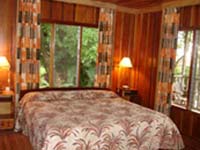
Hotel Montana
Located on a ridge with spectacular views of the Gulf of Nicoya, this recently remodeled mountain lodge features spacious, comfortable rooms, many with jacuzzi tubs. Behind the lodge is a pond that attracts bellbirds and many of Monteverde's most famous animals and birds -- a wildlife lover's delight!


Trapp Family Lodge Monteverde (Alternate Lodge)
The closest lodge to the Monteverde Reserve, Trapp is built in a classic mountain lodge style, with rich hardwoods and magnificent cloudforest views. Inside, you'll feel like you're in the Swiss Alps, as its mountain decor and spacious suites showcase one of the newest lodges in Monteverde. Owned and operated by Costa Ricans, you can't get any closer to the cloudforest reserve than this acclaimed lodge. Recent Wild Planet trips were delighted by a nesting pair of Resplendent Quetzals only 50 meters from our panoramic windows!
MANUEL ANTONIO


Parador Resort & Spa (Alternate Lodge)
Parador Resort & Spa is built high above the sweeping Pacific coastline on 12 acres of wildlife-rich tropical rainforest. The epitome of responsible luxury, Parador has earned multiple awards including Costa Rica’s Leading Resort 2011 (World Travel Awards), the 5-Leaf Sustainability Award issued by the Costa Rican Tourism Board (ICT) and, most recently, the prestigious Platinum Level “Leader in Sustainable Tourism” Adrian Award from HSMAI and National Geo Traveler.
The resort features well-appointed rooms, several restaurants featuring diverse menus, multiple bars and lounges, a world-class spa, a tennis court, three ocean-view pools.


Villas Nicolas (Alternate Lodge)
Ideally situated in a quiet, secluded area of Manuel Antonio, Villa Nicolas's comfortable rooms are surrounded by tropical gardens and visited by pleasant ocean breezes. A pool, outdoor bar and restaurant give this a relaxed ocean villa vibe.


Blue Mirador (formerly Oceans Two)
Located on a sloped mountainside, this hotel offers spectacular views of the Pacific Ocean, surrounding jungle, and Manuel Antonio National Park–all from the rooftop pools, terraces, and restaurants. In-room services include A/C, WiFi, TV, safe, mini-fridge, coffee makers, hairdryers. If this hotel is used on your tour, it can be added as a post-trip extension with a private transfer fee back to San Jose for your return flight.


Ecotica (Alternate Lodge)
Nestled amidst tropical jungle, and lush gardens, Ecotica is a place where nature fills your senses with a vast array of biodiversity–from flora and fauna to monkeys, sloths, butterflies, scarlet macaws, toucans and more–allowing you to experience Costa Rica’s exotic wildlife without ever having to leave the property! Located at the top of the hill of Manuel Antonio, this resort offers amazing views, and easy access to some of Costa Rica's most beautiful beaches. If this hotel is used on your tour, it can be added as a post-trip extension with a private transfer fee back to San Jose for your return flight.
PUERTO JIMENEZ


Las Islas Lodge (Alternate Lodge)
This delightful and authentic Costa Rican family-owned lodge is the newest lodge in Puerto Jimenez. Wildlife is abundant with various species of monkeys, Iguanas, Scarlet Macaws, Toucans, and other exotic birds. Puerto Jimenez is the last "frontier town" before venturing deep into Corcovado National Park, and Las Islas makes it feel just like home!


Cabinas Jimenez (Alternate Lodge)
Located directly on the Gulfo Dulce (the "Sweet Gulf") on the Osa Peninsula in Costa Rica. Each Cabina features air-conditioning, fans, private bathrooms, wi-fi, mini-fridge, and coffee maker. All the rooms are uniquely decorated with local artwork. As a Guest, you have free use of Kayaks & Bikes, or you can just relax poolside and enjoy the scenery.


Agua Dulce Lodge
Agua Ducle Beach Resort is the newest and most exciting property on the Osa Peninsula with all the amenities you would expect. Located just 10 minutes from Puerto Jimenez on a scluded beach. Walk for miles along the beach, go for an adventure hike to Corcovado National Park, or have a dolphin and snorkeling adventure! The resort also offers a huge pool with swim up bar if you prefer a more relaxed experience.
CORCOVADO


Laguna Vista Villas
Overlooking Playa Carate and a freshwater lagoon, LagunaVista lodge is a gateway to Corcovado National Park, one of the most bio-diverse places on our planet and a popular area for eco-tourists. LaguaVista's Mediterranean style villas are solar powered and eco-friendly, providing conscientious accommodations in a luxury setting. From your villa deck, take in the panoramic views of the rainforest, lagoon, beach, ocean and sky.


Luna Lodge (Alternative Lodge / Upgrade)
Travel & Leisure Magazine named Luna Lodge one of the "Top 25 Eco-lodges in the World." We can't say enough about this world-class eco-lodge. The incredibly remote location, 4-star service, attention to beauty and aesthetics, breathtaking open-air yoga structure, massage, and even after-dinner salsa dancing are why Luna generates regular rave reviews by the likes of Conde Nast and the Discovery Channel. But nothing can describe the tangible feeling of peace you will notice immediately upon arrival, and will linger long after you depart.
DOMINICAL


Hotel Vista Ballena (Alternate Lodge)
Vista Ballena Hotel is an exceptionally charming tropical boutique hotel situated high on a forested mountainside over the coastal plains of Uvita, Costa Rica. Ensconced in a verdant rainforest teeming with wildlife, your mind, body and soul will delight in both the deep relaxation and stimulating experiences you can enjoy here as you expand your personal horizons.


Cuna del Angel
Cuna del Angel (Angel's cradle) Hotel is an exclusive and cozy boutique hotel amidst an exuberant tropical forest in Costa Rica, in the heart of the Earth's most ecologically diverse area. Built in Colonial and Native Costa Rican style; Cuna del Angel is a celebration of Costa Rica's unique cultural heritages, where the best of both worlds meet, keeping the glamor and elegance of a modern world while evoking the spiritual world of the indigenous cultures that inhabited this small yet rich country.
Cuna's Deluxe Rooms are richly decorated with Colonial and Asian details, each with either an ocean or jungle view from their terraces or balconies. Modern commodities include: A/C and two ceiling fans, Cable TV, WiFi access, Mini bar, safe, Coffee Maker, Private Bathroom with bathtub/shower and hairdryer, alarm clock, telephone. Deluxe Rooms have one queen size bed or two beds (queen + full size) upon request. These rooms are located in front of the infinity edge swimming pool.
Costa Rica Activities
At a Glance

As wildlife travel experts, one of our greatest advantages are some of the specially arranged activities we've created just for wildlife lovers. These exclusive, wildlife-focused activities - and our top guides - are the reasons why you maximize your chances of seeing more volume of wildlife and more rare and endangered species when you travel with Wild Planet Adventures than with any other travel company.
- Hiking, Wildlife Viewing, Birdwatching
- Cloudforest Canopy Tour
- Whitewater and Flatwater River Running
- Volcano & Hot Springs
- Beaches/Ocean
- Sea-Kayaking in Golfito Bay
- Snorkeling at Night in the Bioluminescence
Exclusive Wildlife Activities

Sarapiqui River Rafting
Choose from rafts or inflatable kayaks for both whitewater and flat-water segments. More boats spread out along a wider stretch the river exposes us to more wildlife habitat, which means we see more wildlife! And in the flat-water sections we can stop, get out of our rafts and observe wildlife for a more intimate experience of the rainforest and wildlife than any other conventional tour.
Snorkeling at Night in Bioluminescence
This is one of the most magical experiences on our tour. The water is alive with bright blue sparkles of bioluminescent plankton, and every movement you make leaves a trail of sparkles in the water. We'll snorkel in a shallow, protected area right off the beach. We'll start off wading where we can stand, and then the more adventurous can wander a little farther offshore.
Other Activities

Hiking, Wildlife Viewing, Birdwatching
Our hiking philosophy is simple: "The slower you go, the more wildlife you see." Most of our hikes last anywhere from 2 to 4 hours and the pace is a relaxed meander. with frequent stops to observe nature and wildlife. We may even spend intimate time with a troop of wild monkeys, especially if we observe exciting behaviors such as teaching a newborn to walk, a conflict involving an alpha male, or anything else that has what we call a high "wow" factor.
Cloudforest Canopy Tour
The bio-diversity and exuberance of life in the cloudforest is a result of clouds drifting in and dripping constant moisture on the dense canopy tops. A series of suspended bridges and platforms offers an unforgettable glimpse of life high amongst the canopy and the transcendent sensation of walking amongst the clouds.
Volcano & Hotspring
Enjoy soaking in a spectacular hot springs at the base of the Arenal Volcano, with spectacular views of the volcano, right from our lodge!
Sea-Kayaking in Golfito Bay
Enjoy sunset kayaking with dolphins on the tranquil waters of Golfito Bay.
Costa Rica Wildlife
Prolific Sightings

Wild Planet's wildlife eco-tours are designed for nature lovers and wildlife enthusiasts. Our "Ultimate Wildlife" eco-adventures are specially designed for maximum wildlife viewing. We take care to seek out wildlife that is rare, off the beaten path, and in greater numbers than you will see on conventional tours. Our expert naturalist guides will educate you in the field so your experience is intimate and unparalleled. Still, wildlife viewing can unpredictable and requires patience and sensory awareness. A partial list of some of the animals you are likely to see is below.
Primates: Howler Monkeys, White-Faced Capuchin Monkeys
Other Mammals: Three-Toed Sloth, Two-Toed Sloth, Coatimundi, Bats
Reptiles & Insects: Crocodiles, Caiman, Blue Morpho Butterflies, Basilisk (Jesus Christ Lizards), Poison Arrow Frogs
Birds: 600 species including Parrots, Trogons, Mot-Mots, Tanagers, Montezuma's Oropendolas, Hawks, Squirrel Cuckoos, Owls, Herons, Kingfishers, 60 species of Hummingbirds and much more.
Likely Sightings

Primates: Squirrel Monkeys
Other Mammals: Tamandua (Anteater), Kinkajou, Agouti, Dolphins, Tayra, Peccaries (collared & white-liped)
Reptiles, Amphibians & Insects: Red-Eyed Tree Frogs, Walking Sticks, Eyelash Pitviper, Fer-de-lance, Leaf-Cutter Ants
Birds: Resplendent Quetzals, Scarlet Macaws, Lovely Cotingas, Scarlet-thighed Dacnis, Green Honeycreepers, Roseate Spoonbill, Woodstorks, Crested Caracara, Purple Gallinule, Northern Jacanas, Great Curassow
Rare or Endangered Possible Sightings

Other Mammals: Jaguar & other cats, Tapir, Porcupine, Silky Anteater, Grey Fox, Olingo, Paca, Grison
Reptiles: Caiman, Fleishman's Glass Frogs (see-through), Leatherback Turtles, Green Turtles, Hercules Beetles
Birds: Ornate Hawk-Eagle, Harpy Eagle, Great Green Macaw, King Vulture, White Hawk, Great Potoo, Scissor-Tailed Flycatcher, Royal Flycatcher, and many more
Costa Rica Guides
Josh Cohen

Josh Cohen Wild Planet's Director
Josh personally hand-crafts all of Wild Planet's itineraries to reflect his own love of wildlife and the transformational power of nature. The Costa Rica Ultimate Wildlife itineraries remain his favorite after guiding them for nearly a decade. A dedicated wildlife enthusiast and conservationist, his keen eyes and love of nature still make him Wild Planet's most requested guide.
Rayner Araya

Rayner Araya Biologist & Naturalist Guide
I grew up in the forest where I spent my time exploring and discovering nature, playing with poison dart frogs, ants, butterflies, beetles and many other jewels, soon I became fascinated about natural history and science. Since very early in life I Knew I wanted to spend my time doing something that involved nature. I think I was very lucky because I happened to be in one of the hotspots for biodiversity and international conservation efforts, this combined with the educated and friendly Costa Rican people make a suitable destination for travelers from all over the world. As a Naturalist Guide I get to share my passion for wildlife and conservation and I get to explore many different ecosystems constantly in my trips. I went to school for Tourism and Biology, I think this makes a great combination to work in the always growing tourism industry. Before working as a Naturalist Guide I worked for OTS, a worldwide known organization dedicated to Tropical Biology Research which is featured in Wild Planet Adventures' Ultimate Wildlife eco-tour. It was here that I met Josh Cohen and began guiding for Wild Planet Adventures.
I love traveling and travelers, I truly believe that by traveling and being exposed to different cultures, languages and life styles we become more tolerant, we learn to accept our differences and that can only make the world a better place!
Koky Porras

Koky Porras Legendary Master Naturalist
Koky's amazing ability to accurately call birds to him has made him the "guide of choice" for scientists researching Monteverde's famous quetzals and bellbirds. Koky has also helped to train many of Monteverde's world-class guides. The cloudforest where Koky has lived his whole life is widely known as the hardest place to guide in all of Costa Rica. Here it requires extremely sharp eyes to spot wildlife because the foliage is more dense than anywhere else in the country. In addition, many species have slight differences in their appearance with as little as 150 meters of elevation change, so it requires an enormous amount of experience to identify birds and wildlife instantaneously. Koky's fascination with the symbiotic relationships in nature is as contagious as his love of laughter.
Costa Rica Departures
Costa Rica-Ultimate Wildlife 14-Day Adventure


| Jun 13, 2026 - Jun 26, 2026 | 14-days | $8,198 |
| Jun 20, 2026 - Jul 03, 2026 | 14-days | $ SOLD OUT |
| Jun 27, 2026 - Jul 10, 2026 | 14-days | $ SOLD OUT |
| Jul 04, 2026 - Jul 17, 2026 | 14-days | $8,198 |
| Jul 11, 2026 - Jul 24, 2026 | 14-days | $ SOLD OUT |
| Jul 18, 2026 - Jul 31, 2026 | 14-days | $ SOLD OUT |
| Jul 25, 2026 - Aug 07, 2026 | 14-days | $8,198 |
| Aug 01, 2026 - Aug 14, 2026 | 14-days | $8,198 |
| Aug 08, 2026 - Aug 21, 2026 | 14-days | $8,198 |
| Nov 21, 2026 - Dec 04, 2026 | 14-days | $8,198 |
| Nov 24, 2026 - Dec 07, 2026 | 14-days | $ SOLD OUT |
| Nov 28, 2026 - Dec 11, 2026 | 14-days | $8,198 |
| Dec 05, 2026 - Dec 18, 2026 | 14-days | $8,198 |
| Dec 12, 2026 - Dec 25, 2026 | 14-days | $8,548 |
| Dec 18, 2026 - Dec 31, 2026 | 14-days | $8,548 |
| Dec 19, 2026 - Jan 01, 2027 | 14-days | $8,548 |
| Dec 20, 2026 - Jan 02, 2027 | 14-days | $8,548 |
| Dec 22, 2026 - Jan 04, 2027 | 14-days | $SOLD OUT |
| Dec 26, 2026 - Jan 08, 2027 | 14-days | $8,548 |
| Dec 29, 2026 - Jan 11, 2027 | 14-days | $8,548 |
| Jan 02, 2027 - Jan 15, 2027 | 14-days | $ Call |
| Jan 09, 2027 - Jan 22, 2027 | 14-days | $ Call |
| Jan 16, 2027 - Jan 29, 2027 | 14-days | $ Call |
| Jan 23, 2027 - Feb 05, 2027 | 14-days | $ Call |
| Jan 30, 2027 - Feb 12, 2027 | 14-days | $ Call |
| Feb 06, 2027 - Feb 19, 2027 | 14-days | $ Call |
| Feb 13, 2027 - Feb 26, 2027 | 14-days | $ Call |
| Feb 20, 2027 - Mar 05, 2027 | 14-days | $ Call |
| Feb 27, 2027 - Mar 12, 2027 | 14-days | $ Call |
| Mar 06, 2027 - Mar 19, 2027 | 14-days | $ Call |
| Mar 13, 2027 - Mar 26, 2027 | 14-days | $ Call |
| Mar 20, 2027 - Apr 02, 2027 | 14-days | $ Call |
| Mar 27, 2027 - Apr 09, 2027 | 14-days | $ Call |
| Apr 03, 2027 - Apr 16, 2027 | 14-days | $ Call |
| Apr 10, 2027 - Apr 23, 2027 | 14-days | $ Call |
| Jun 12, 2027 - Jun 25, 2027 | 14-days | $ Call |
| Jun 19, 2027 - Jul 02, 2027 | 14-days | $ Call |
| Jun 26, 2027 - Jul 09, 2027 | 14-days | $ Call |
| Jul 03, 2027 - Jul 16, 2027 | 14-days | $ Call |
| Jul 10, 2027 - Jul 23, 2027 | 14-days | $ Call |
| Jul 17, 2027 - Jul 30, 2027 | 14-days | $ Call |
| Jul 24, 2027 - Aug 06, 2027 | 14-days | $ Call |
| Jul 31, 2027 - Aug 13, 2027 | 14-days | $ Call |
| Aug 07, 2027 - Aug 20, 2027 | 14-days | $ Call |
*Tuesday trip starts may be available. Please call.*
Costa Rica FAQ
Costa Rica Facts for Visitors


Climate/Best Time to Go:
Costa Rica boasts 12 climatic zones, surprising travelers with a wide variety of temperature and rainfall conditions year-round. In general, temperatures in the lowlands range from the low 70's to the high 80's, cooler at elevation. The temperature on top of the continental divide can vary from the mid 50's to low 80's in Monteverde to the 30's on Chirripo, with enveloping clouds drifting over the mountains and bringing mist and occasional rain. December through May is the dry season in most places except the Caribbean coast, which is dryer January through March, but has no real dry season. The "green season" begins very slowly in June and tapers off in July for about 3 weeks which native Costa Ricans call "Little Summer". So don't let rain scare you away from the rainforest! Even in the green season there is plenty of sunshine and great weather for your vacation. Best time to go: late December through early August
Government:
A stable democracy for more than 100 years, Costa Rica is a peaceful nation in the midst of a region that has been troubled by turmoil for centuries. Costa Rica also has the highest standard of living of any Central American country, including literacy rates, medical standards and facilities are all quite high. Costa Ricans are extremely proud that they do not have an army.
Location:
Costa Rica lies on the southern part of Central America, bordered on the south by Panama and on the North by Nicaragua. It's land mass is referred to as an isthmus, which is bordered by the sparkling waters of the Caribbean Sea and the Pacific Ocean and contains the mountains of the continental divide.
Size:
Approximately 51,100 square mile--about half the size of the state of Kentucky. Only 120 km wide in some points, Costa Rica would be easy to traverse were it not for the extreme variation in ecosystems and the continental divide. Over 27% of the country's 12 distinct ecological zones are in protected areas.
Population:
The population of Costa Rica is approximately 5 million, mostly of Spanish descent. Costa Rican people call themselves "ticos" (male) or "ticas" (female.) They are extremely friendly, polite, well educated, and enthusiastic about their country. Costa Rica is home to a large international community as well.
Language:
Spanish is the official language and is spoken, thankfully, at a speed that is much easier to understand than many other countries. English is widely understood, especially in tourist areas, hotels, lodges and restaurants.
Entry Requirements:
A passport and return ticket is required to enter Costa Rica. No visas are required for citizens of the US, UK, Canada, Japan and many others.
Customs:
US residents are permitted a $400 per person (or $1,100 per family) duty-free tax exemption upon returning to the US
Departure Tax:
Approximately US $35.00
Currency:
Local currency is the Colon. One US dollar is worth approximately 375 Colon. US dollars are accepted in many places in Costa Rica. Credit Cards/Travelers Checks: Nearly all hotels, restaurants and shops in the major towns and tourist areas take all major credit cards. Street vendors and smaller establishments in remote areas may accept only cash or travelers checks. Its important to keep travelers checks in a waterproof pouch, as they are considered void if they get wet.
Telecommunications:
All telecommunications services (direct dial phones, fax, telex, cable) are available; but calls from Costa Rica are much higher than an equivalent call to Costa Rica. The country code for Costa Rica is (506) Remote jungle lodges usually have short wave radio communications linked to cellular service.
Time Zone:
Costa Rica is in the Central Standard Time zone, and does not utilize daylight saving time. There is very little seasonal variation between dawn and dusk due to the proximity to the equator, dawn is usually 6:00 am and dusk 6:00 pm.
Sales Taxes:
Costa Rica has high taxes, roughly 15% sales tax and there may be 15% service charge in many hotels and restaurants.
Tipping:
Tipping is voluntary; tips of 15% are acceptable; more if the service is exceptionally good. Some hotels and restaurants add a 15 percent service.
Water:
While the water is said to be safe in most of Costa Rica, we recommend bottled water in most places. Do not eat fruit you have not pealed yourself, stay away from leafy vegetables like lettuce, and avoid ice cubes. These are common causes of amebic dysentery and giardia, both of which are unpleasant enough to be worth avoiding at all costs.
This Trip's Exclusive Wildlife Features:


- Unparalleled Wildlife Viewing - It's normal for us to see 10-25 sloths and 5-15 troops of monkeys, plus rare wildlife - in one hike on our second day!
- Remote & Less-Traveled Destinations - For the widest variety of wildlife experiences and best chance for up-close encounters, without crowds.
- Interact with Animals, Wildlife Experts & Scientific Researchers - Special Sloth Rescue Program and La Selva Biological Preserve.
- Special Wildlife Activities - Night hikes for nocturnal animals, sea-kayaking with dolphins, snorkeling at night in the bioluminescence and more.
- Special Arrangements for Exclusive Access
- Unparalleled Wildlife Viewing - It's normal for us to see 10-25 sloths and 5-15 troops of monkeys, plus rare wildlife - in one hike on our second day!
- Remote & Less-Traveled Destinations - For the widest variety of wildlife experiences and best chance for up-close encounters, without crowds.
- Interact with Animals, Wildlife Experts & Scientific Researchers - Special Sloth Rescue Program and La Selva Biological Preserve.
- Special Wildlife Activities - Night hikes for nocturnal animals, sea-kayaking with dolphins, snorkeling at night in the bioluminescence and more.
- Special Arrangements for Exclusive Access


Share this trip via Email


