


About Wild Planet Adventures
 In 1991 Wild Planet Adventures began as a small company, originally called InnerQuest Adventures, with a passion for nature travel and its power to transform lives. We never imagined our passion would be shared by so many! Today our wildlife eco-tours are widely recognized as the ultimate adventures for wildlife enthusiasts. Our blend of remote destinations, exclusive wildlife-viewing activities, and top naturalist guides offers the best possible chance to see rare animals in the wild. No other company's itineraries will expose you to so much wildlife!
Why Travel with Wild Planet Adventures?
Choosing the travel company that can deliver your dream "Trip of a Lifetime" is the most important decision you'll make as you plan your trip. We know there are many choices available to you, and we take your trust in deciding to travel with Wild Planet very seriously. We know you can find tours that are cheaper, and those that are far more expensive, but we're confident that none will offer the combination of wildlife expertise, non-commercial destinations, exclusive activities, distinctive lodging, and overall value that we are known for. You’ll find our 27 years of experience evident in even the smallest details of your trip. It is this level of care that ensures you will have the finest and most memorable "Trip of a Lifetime" possible.
Unparalleled Wildlife Expertise
No other company goes to such great lengths to put you in front of more wildlife. Look for the "Wild Planet Advantage" icon below as you're browsing our website to see the exclusive wildlife features of each trip:

Every aspect of our Ultimate Wildlife eco-tours is designed to increase the odds of wildlife sightings, with truly "off the beaten path" destinations, expert naturalist guides (even biologists in some places) and special nocturnal wildlife activities. Amongst the many advantages of traveling with Wild Planet you'll discover:
- Unparalleled Wildlife Viewing Our blend of remote destinations, special wildlife activities and top naturalist guides offers the best possible chance to see rare animals in the wild. No other company's itineraries will expose you to so much wildlife!
- Exclusive Wildlife Activities Special expeditions to see rare animals. Special arrangements for silent approach and intimate habitat access. No other company offers all these unforgettable wildlife experiences!
- Authentic Tracking Our expert guides rely on advanced skills, not radios, to find wildlife. Listen for warning cries, track pug marks, look for residue of kills. Discover the excitement of real tracking!
- Remote & Non-Commercial Destinations Explore virtually unknown and less traveled areas for the widest variety of wildlife without the crowds.
- Specialized Wildlife Knowledge Migrations, seasonal courtship, nesting, peak activity times and secrets for safe, up-close encounters.
- Interact with Animals, Wildlife Experts & Scientific Researchers Visits to eco-responsible rescue centers, research organizations & more
- Sustainable & Responsible Safaris Our expert biologist & naturalist guides operate under strict protocols to minimize impact and habituation.
- Participate in Real Conservation Your presence literally saves wildlife and supports rescue centers, habitat conservation and reforestation.
- Value-packed Itineraries Emphasizing bird & wildlife viewing in remote locations
- Small Groups (6-10 avg.) For a more personal connection with our expert naturalist guides
- Flexible Activities Daily options to accommodate different skill levels & interests
The Wild Planet Philosophy
Since 1991 we have shared many intimate encounters with wildlife that have left us, and our guests, breathless with wonder. These experiences remain with us all through our lives to inspire, exhilarate and enlighten. They are a constant reminder that life is precious. We offer a range of tours for individual and group travel, including our signature Ultimate Wildlife eco-tour for each country. These specially designed itineraries are full of once-in-a-lifetime wildlife encounters, rich with meaning and wonder. A single moment can leave you profoundly and forever changed:
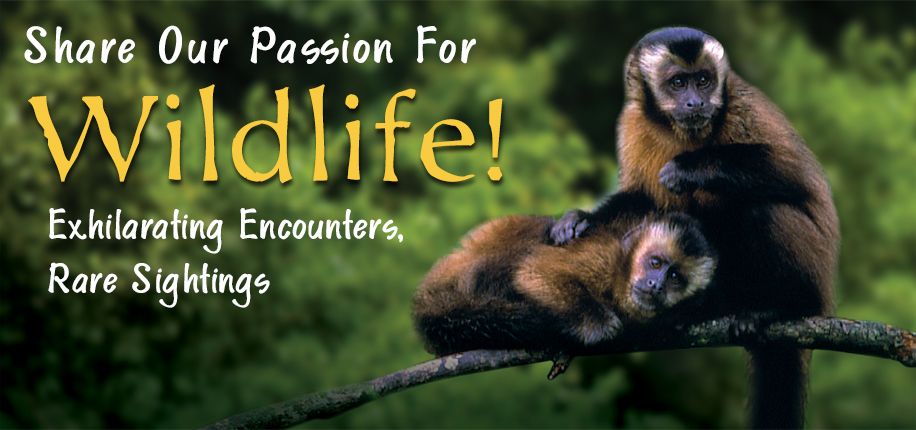
- Witness an alpha-male monkey kissing a newborn baby on the forehead
- Cuddle a three-toed sloth in your arms
- Wander the cloud forest in search of the Resplendent Quetzal
- Float silently down the headwaters of the Amazon river past an elusive jaguar
- Dance underwater with playful Galapagos sea lions and penguins.
Accommodations
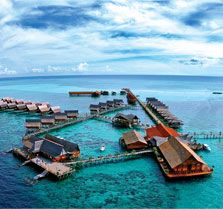
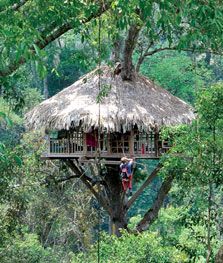
Wild Planet Adventures specializes in small, one-of-a-kind wildlife lodges, many of which have been featured on the Discovery Channel, Travel & Leisure and Conde Nast Traveler. They include exciting tropical treehouses, aqua-lodges, classic safari tented camps, biological stations, and wildlife refuges that offer breathtaking accommodations and outstanding wildlife viewing opportunities. When in larger cities, we typically feature 4 star and 5 star hotels, as well as unique "finds" that highlight the local flair of the destination.
Guides
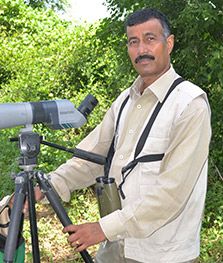
Your guide is your gateway to the world's weird and wonderful wildlife; you'll laugh; you'll cry; and you'll learn things. Wild Planet guides are local naturalists, biologists, and leaders in their field. They rely on advanced tracking skills, not radios, to find wildlife. We live by the adage that "the guide makes the trip", so in addition to masterful tracking skills, our guides possess a wealth of knowledge about the ecology, wildlife, habitat and culture in their home country. They possess exemplary safety records and untiring enthusiasm -- they absolutely LOVE what they do -- and it shows; Wild Planet guides are coveted as expert trainers for advanced guides.
Did We Say "Wildlife"?
Each year our clients see more wildlife -- and more rare and endangered species -- than other travelers visiting the same destination. Our clients have seen highly elusive animals such as jaguar, jaguarundi, tapir, tigers, clouded leopards, slow loris, civet cats, pygmy marmosets, flying fox and much more. We've seen the resplendent quetzal on nearly every Costa Rica Ultimate Wildlife trip we've ever run since 1991! And you will see more monkeys and sloth by your second day on our Costa Rica "Ultimate Wildlife" eco-tour than most travelers do in a week. Do you love primates? Then join us on our Peru Ultimate Wildlife eco-tour where you can see 13 species in the most biodiverse area of the Amazon. Want a tour of Africa where you can also see bushbaby, pangolin and honeybadger in addition to tracking leopards, lion and the "Big 5"? Then check out our National Geographic Traveler award-winning "Legendary Master Guides of Zambia".
Whatever destination you choose, you will find a wide variety of activities all designed to increase the odds of seeing more wildlife, especially rare and endangered species. We take years to find the best places, most knowledgeable guides, culturally relevant activities and unique aways to see wildlife in each destination.
Itinerary Value
You won't find Wild Planet's exclusive itineraries anywhere else. We often take up to 5 years in the planning process, and scour each country for the absolute best wildlife experiences possible. Josh Cohen, our Director since 1991, is a well-known wildlife expert with resources and connections not available to other tour companies. We urge you to compare our itineraries to any other company. You will see that they include access to private wildlife reserves, remote corners of national parks (away from tourist crowds), and distinctive lodges and camps situated where wildlife viewing is best! Our itineraries have been the centerpiece of our company since we began in 1991, and we have made our name as wildlife specialists by offering extraordinary value that is uncommon in conventional tours.
For example, our 14 day Costa Rica Ultimate Wildlife eco-tour features:
- Over 7 distinct destinations (not counting arrival/departure in San Jose)
- Over 8 National Parks and Wildlife Preserves
- Over 13 paid activity admissions twice that of most tours!
- No pre-packaged commercial tours run by lodges
- No "free-days" requiring additional activities at extra cost (but enough free time to enjoy your vacation at a relaxed pace.)
- Third-party recognition as a world-leader: Named by FODORS as one of the world's "Top 10 Must-Do Tours"
- Plus Wild Planet's signature service, naturalist guides and award-winning lodges and all meals.
Independent or Scheduled Departures for Singles, Couples & Families
Whether you're a single or couple and prefer our scheduled group departures, or a multi-generational family who'd rather travel independently on a date of your own choosing, our award-winning wildlife eco-tours and safaris can accommodate travelers of all ages and abilities --without holding back the most adventurous, or tiring out those who prefer a slower pace.

Specialty Lodges
Expert Naturalist Guides
"
We decided to go with Wild Planet even though we had always traveled independently in the past. We were not disappointed. We would not have seen a fraction of the animals that we did any other way. I give our trip with Wild Planet the highest rating possible. The company seems to genuinely care about the country of Costa Rica, its people, and wildlife, while also providing a memorable trip for its customers.
Click to Read More Traveler Reviews


