


Award-Winning Wildlife Eco-Tours & Safaris
We are honored to be recognized as one of the top tour operators in the world.
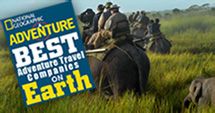
Our wildlife eco-tours and safaris have been widely recognized as the ultimate adventures for wildlife lovers by National Geographic Adventure, National Geographic Traveler, Fodors, Smarter Travel and more.
Browse our Awards and Traveler Reviews and you'll see why Wild Planet was named "One of the Learn More>>

News, specials AND INSPIRATIONS
Learn about special offers and last minute deals on our award-winning wildlife eco-tours and safaris. Discover exciting new trips and wildlife-viewing tips from the world's best trackers and guides.
Browse the latest wildlife and habitat conservation news, and find expert travel advice on all our wildlife adventures, eco-tours and safaris to Thailand, India, Borneo, Costa Rica, Panama, Peru, Galapagos, Brazil, Africa and more!

Where To Find the World's Best Wildlife
As experts in wildlife travel for 23 years, we've learned a lot about the world's greatest wildlife destinations.
Ours are not commercial tours; many of our destinations feature wildlife hot-spots which are virtually unknown & less traveled, where travelers can see the widest variety of wildlife -- without the crowds.
Learn about seasonal migrations, mating rituals, peak activity times, secrets for safe, up-close encounters, & special activiti Learn More>>

Weird and Wonderful wildlife
As Wildlife Travel experts we specialize in helping you get up close to see more wildlife and more rare and endangered species than any other operator. Discover some of the exciting animals from our trips in our photo and video galleries.
Explore by country, by animal, or start with our special gallery featuring the most Weird & Wonderful Wildlife of them all.
 Traveler Reviews & Awards
 News, Specials & Inspirations
 Wildlife Hotspots
 Weird & Wonderful Wildlife


